
The Rise of AI Translation and Dubbing for Global Adult Content
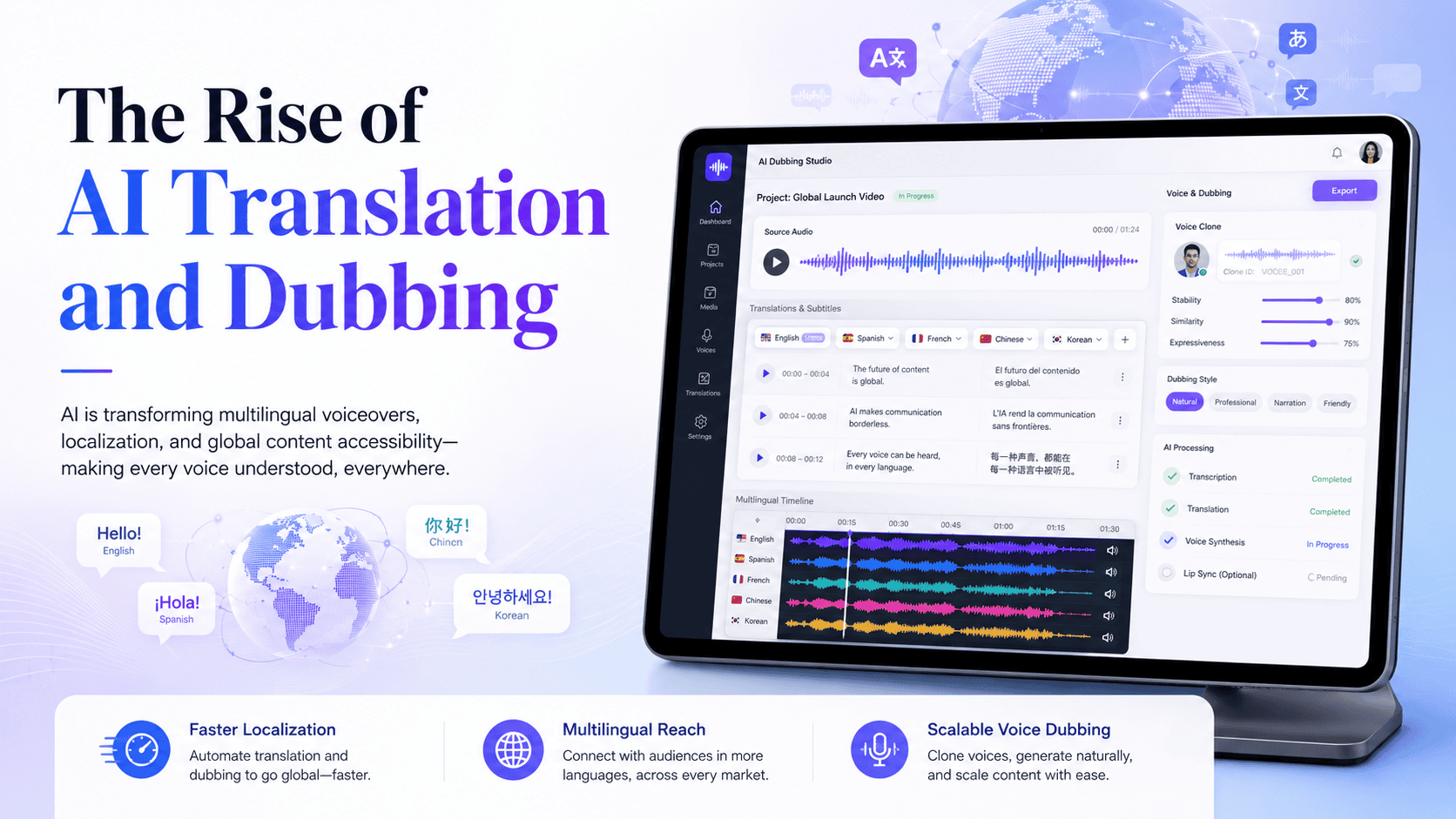
Today content is accessed by viewers from all over the world, and the adult entertainment industry has become a global digital marketplace. The Internet has helped to make distribution across the country so easy, but language has been one of the most significant challenges that confront international viewers. Leakdom produced videos in a language may not be well understood by audiences in other languages resulting in reduced user engagement and content discoverability. Conversion of language content has become more essential considering that the competition among the digital platforms is intensifying and the growing number of outsiders as well.
The use of Advanced Translation and Dubbing Technologies is revolutionizing this area of the business by using Artificial Intelligence (AI). Many AI-based systems can automatically convert titles, descriptions, subtitles, and audio dialogue into a number of languages, substantially cutting down on time and price related to conventional localization. Such innovations are helping creators, platforms and users to have their creative content more globally accessible and create a more personalised viewing experience.
Understanding AI Translation Technology
AI translation involves leveraging machine learning algorithms and NLP techniques to translate text or speech from one language to another. Current AI tools not only translate word-for-word like predecessors, but also make use of not only sentence structure, grammar and context, but also meaning. This generates a more natural and accurate language which is easier for the viewers.
For adult content platforms, AI translation can be used to translate video titles, descriptions, categories, tags, user comments, websites, and even customer support. AI supports international users in finding content by using multi-language translation of metadata — supporting search in their native language. This boosts usability and satisfaction but also makes content accessible and appealing to audiences beyond countries of origin.
AI-Generated Subtitles
Automatic subtitle generation is one of the most prevalent AI use cases with content localization. A key component in speech recognition technology is its ability to convert the spoken words into written text. These texts are then translated into various languages by AI translation services and synced with the video’s subtitles. This can sometimes take only a matter of minutes as opposed to the time required to make traditional subtitles.
AI-generated subtitles make the video viewing experience better for individuals who don’t understand the original language of the video. They also make it more accessible for people with a hearing impairment, or viewers who just like watching videos with closed captions. The accuracy of speech recognition models remains a steadily improving area, and subtitles can be relied upon to a greater mean degree, though with specific cases there may be instances which require human verification because of the high level of nuance in the conversation.
AI-Powered Dubbing
Subtitles will make it easier to understand the spoken content of a video whereas AI Dubbing can replace native voice or add a dubbed voice in a different language. Thanks to recent developments in the field of AI voice synthesis, it is now feasible to create voices that sound natural and are very similar to the original speaker, both in terms of their pronunciation, intonation, and rhythm.
But often, traditional dubbing needs professional dubbing actors, recording studios, audio engineers and large edit and extra work. AI greatly decreases these production requirements by automating a lot of the dubbing process. This facilitates creators to produce multilingual iterations of content that’ll be more effective and within reach: at the same time minimizing production costs. The “human” editors have not been replaced, but rather have added significant value to the process of revising translations and making sure every version is natural and culturally suitable for translation.
Voice Cloning and Personalization
The most sophisticated AI localization feature is Voice Cloning. AI systems can process a person’s voice and extract its key features – like pitch, tone, meaning of words and their way of being pronounced, speaking rhythm, etc. – with proper authorization. The technology can then take the speech and output a translation that is quite similar to the translated line that the machine produces in a different language.
This is a powerful feature because people feel closer to watching these episodes than if someone different would narrate them. Voice cloning is also being accompanied with ethical issues, however. However, to implement it responsibly, it has to be done with the explicit approval of the original speaker, with good security measures and protection against unauthorized use or impersonation.
Benefits for Content Creators
Creative and production companies expanding to the global level benefit from AI translation and dubbing immensely. A major advantage can be the option to serve all new audiences without having to create distinctive versions of your content for each region. Once video was only available to audiences speaking a single language, but now it’s possible to make videos accessible to audiences internationally.
It’s much cheaper to localize as well. A typical translation production method often consists of several professionals and longer production time. Many repetitive tasks are automated by the use of AI which enables creators to publish content in multiple languages, so they can save some money and publish faster. Translation of titles, descriptions, and metadata will also allow for better searchability in various languages and improve the chances of international users finding the content.
Improving the User Experience is Helpful
Users greatly benefit from AI localization, contributing to a better overall user experience. The viewer can enter his or her own language into the search feature and get back pertinent results even if the video was not created in their language but in another. This will kill the language barrier which in the past affected content discovery and will help users gain access to creators from other nations. Especially when watching leaked amateur porn videos.
Localized subtitles and dubbing also help to provide a better understanding for story-driven content. Viewers can better follow dialogue and narratives in the language of their choice, in addition to the visual elements. Users can also select a preferred subtitle or audio language, helping to further increase engagement.
Making Search and Recommendations Better
There is a great benefit to translation efforts in making search and recommendation engines better on adult platforms. It allows for the generation of metadata in multiple languages using AI tools, to increase the chances of a search algorithm from finding a query across different languages. A user can find relevant information by searching in any language (Spanish, French, Japanese or Hindi), even though the information was originally in English.
Multilingual information can be crucial for recommendation systems. AI can spot the commonalities in user interests across languages, creating opportunities for international users to find creators and content they may not otherwise see. This will result in a more interconnected global ecosystem with the dissemination of quality content based on relevance, rather than language.