
AI-Powered Shopping Assistants: Useful Helper or Hidden Sales Funnel?

AI shopping assistants can suggest items based on stated needs, compare products, and summarize reviews. They can save time, but they may also guide buyers toward promoted products, higher-priced options, or brands with stronger platform relationships.
A buyer comparing headphones, shoes, or home goods may take a quick pause with the tower rush app before returning to product filters and review summaries.
How AI Shopping Assistants Help Buyers
AI retail helpers are most useful when they make information easier to compare without hiding important limits. They should explain trade-offs, show why an item fits the request, and give enough detail for a person to make the final choice. Beyond helping consumers make better purchasing decisions, AI is also creating opportunities for entrepreneurs exploring how to make money with AI, including merchants using Printful to automate print-on-demand workflows and scale their ecommerce businesses.
Product Matching
A shopping assistant can match items to a stated need, such as budget, size, material, color, use case, brand preference, or compatibility. This is helpful when a store has hundreds of similar listings and manual filters are too broad. The same approach can also help shoppers discover trendy Etsy products by surfacing items that align with current demand, customer preferences, and search behavior.
Better results usually come from specific input:
- Budget range and maximum price
- Main use case or activity
- Required size, model, or fit
- Preferred features or materials
A request like “lightweight laptop for college under 700 dollars” is stronger than “best laptop.” The system has clearer limits, so irrelevant suggestions are easier to avoid.
Review Summaries
Review summaries can turn large amounts of customer feedback into a shorter overview. They may highlight repeated praise, common complaints, sizing issues, delivery delays, weak packaging, or durability concerns.
This helps when a product has hundreds or thousands of comments. A summary can reveal that many buyers like comfort but complain about battery life, which is more useful than the average star rating alone.
The risk is context loss. Older complaints may no longer apply after a redesign, while recent quality problems may be hidden if all comments are blended into one broad summary.
Feature Comparisons
A strong assistant can compare several items by price, warranty, return period, size, materials, shipping cost, battery life, accessory support, or technical requirements. This saves time because retail pages often present details in different formats.
Useful comparisons should focus on buying factors that affect real ownership:
- Total cost after shipping
- Key features and missing functions
- Warranty length and return rules
- Delivery estimate and stock status
- Compatibility with existing devices
This matters for electronics, furniture, appliances, tools, and shoes. A small difference in model number, size, or included part can change whether an item is suitable.
Simpler Decision Support
Some buyers do not need the absolute best item. They need a clear shortlist that fits a practical need without hours of research. AI can help group options into budget, mid-range, and premium categories. It can also explain which features matter for a beginner, frequent user, gift buyer, or professional.
Still, the final choice should stay with the customer. Personal comfort, trust in a seller, brand history, and after-sale support are difficult for any system to judge completely.
Where the Hidden Sales Funnel Begins
A shopping assistant can be helpful and still serve the business goals of a retailer. Customers should pay attention to ranking logic, sponsored placement, limited choices, urgency language, and personalization based on behavior.
Sponsored Results
Some suggestions may be influenced by advertising, affiliate payments, inventory priorities, or brand partnerships. If promoted items are not clearly labeled, shoppers may think the advice is neutral when it is partly commercial.
Commercial influence can appear through repeated patterns:
- One brand appears across many searches
- Premium items show before budget choices
- Sponsored labels are small or unclear
- Ranking reasons sound vague
- Urgency messages appear too often
A trustworthy result should explain why an item appears. Specific reasons, such as longer warranty or lower total price, are more useful than broad claims like top pick or popular choice.
Price Anchoring
Price anchoring happens when expensive items appear first and make cheaper options feel more reasonable. A shopper who planned to spend 100 dollars may start accepting 180 dollars after seeing several 300-dollar recommendations.
Premium products may offer better materials, longer support, or stronger performance, but the assistant should not silently move the budget upward. A good habit is to set the maximum price before asking for help. That limit should guide the search unless a higher-cost option has a clearly explained benefit.
Limited Product Range
Many retail assistants only search one marketplace, one store, or one brand network. That means better prices, stronger return policies, or higher-quality alternatives elsewhere may never appear.
A wider check protects buyers from narrow results:
- Compare at least two retailers
- Visit the official brand page
- Check recent independent reviews
- Confirm the exact model number
This is especially important for costly purchases. A few extra minutes can reveal hidden shipping fees, weaker warranty coverage, or better support from another seller.
Data and Personalization
Personalized suggestions may use browsing history, past purchases, saved items, location, wishlists, account details, or clicks. This can make results more relevant, but it can also reinforce past habits or push items similar to previous purchases.
A buyer should know whether the assistant is using personal data, store promotions, or general product information. Clear privacy settings and transparent explanations make the experience easier to trust.
How Shoppers Can Stay in Control
A digital shopping helper works best when the buyer sets clear limits before accepting any recommendation. The tool can organize information, but the shopper should still check details, compare sources, and protect the original budget.
Ask Specific Questions
A precise request produces better answers. Instead of asking for the best phone, ask for a phone under 500 dollars with strong battery life, good camera quality, and software support. A focused prompt helps the assistant avoid irrelevant items. It also makes weak recommendations easier to spot because the stated need is clear.
Verify Product Details
Retail data can change quickly, so final checks should happen on the official product page before payment. Price, stock, return period, warranty terms, delivery date, and model number should all match the recommendation.
Careful verification helps prevent common purchase mistakes:
- Wrong size or model
- Missing accessory
- Short return period
- Extra delivery charge
- Incompatible part or device
This step is especially useful for electronics, furniture, appliances, clothing, and replacement parts. Small details can decide whether the purchase works as expected.
Pause Before Checkout
Urgency can lead to poor decisions. If a tool says a deal is ending soon or stock is low, the shopper should still check whether the offer is real and whether the item fits the original need. A short pause helps separate useful advice from pressure. If the product still makes sense after checking price, fit, return rules, and alternatives, the decision is stronger.
A Smarter Way to Use AI Shopping Help
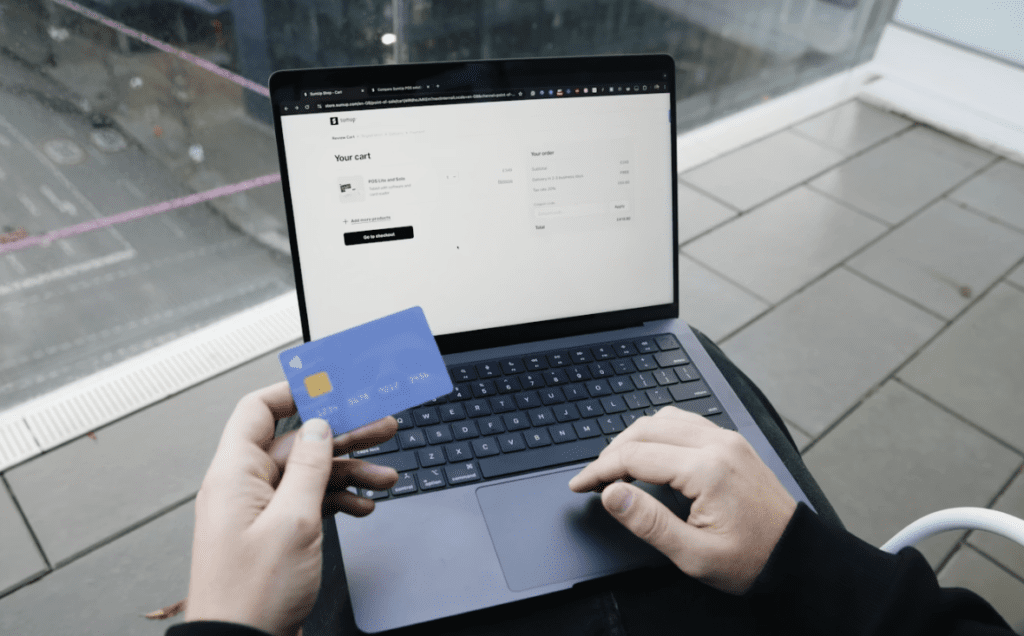
AI-powered shopping assistants can reduce research time, summarize complex information, and make product comparisons easier. They become risky when rankings are unclear, sponsored items blend into normal results, or urgency replaces careful review. The best approach is balanced. Ask specific questions, compare outside one platform, verify official product details, and check return terms before payment.
A useful assistant should support a decision rather than make it for the shopper. When customers stay aware of commercial influence and review key details themselves, these tools can be helpful research aids instead of hidden sales funnel